


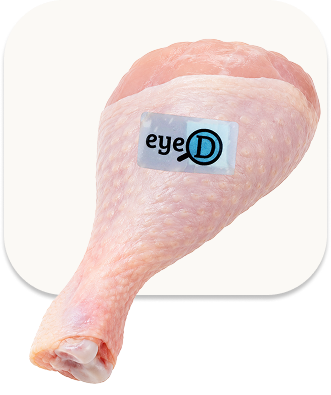


Is Your Meat Fresh?

Freshness

Should Not Be Guess!

The Sensor Changes Color When the Meat Is Spoiled

    Blue 
 Recommended

Consume Soone

Clear
Not Recommneded

How to Use?

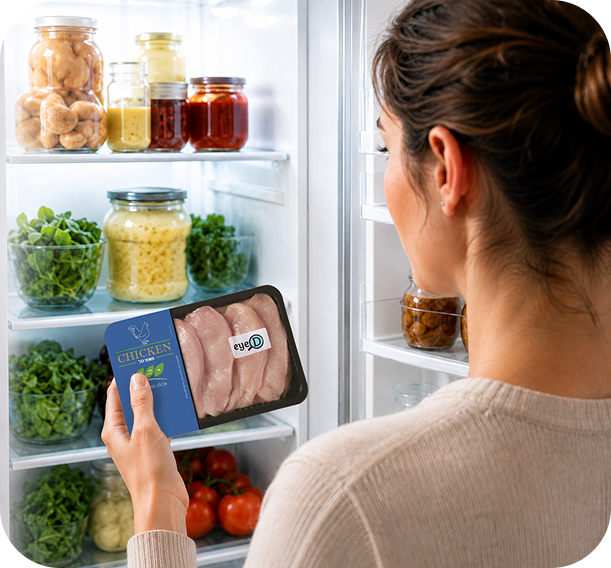
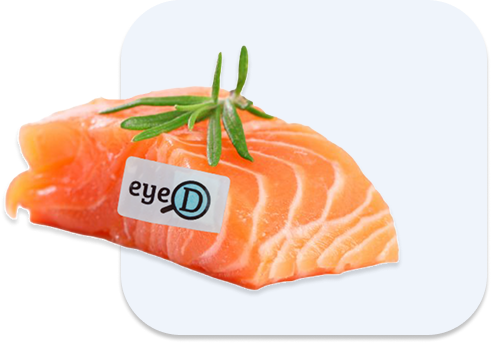
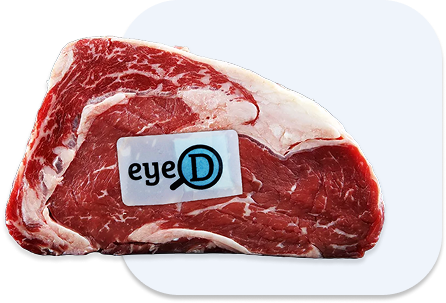
Your butcher places eyeD directly on the meat before packaging.

Take it home and store it as usual.

eyeD monitors freshness until you open the package.

When it’s time to eat, just check the color:

Still blue? Good to go.

Turned Clears? Not recommended.

Don’t forget to remove the sensor before eating!

If it's Blue?
It's Fresh!

Why Real-Time Freshness?

Because it's time to know
what we're putting
into our bodies!

Why Guess When You can Know

Why Risk Your Health

Why Throw When You Can Save

Certifications

Complies with

Israeli Food Contact
Regulations

Laboratory Tested By

(Mérieux
NutriSciences)

Safe for Direct

Food Contact
(Meat, Fish & Poultry)

Kosher

Certified by the Rabbinate

Responds to Microbial Load

in Real Time

FAQs

Yes. In some cases, moisture or prolonged contact may cause a small amount of color to transfer from the sensor to the meat. The food-grade colorant is approved for food contact and safe to use. Color transfer does not indicate a malfunction or affect the quality or safety of the meat.

The sensor activates after packaging and begins showing color changes after approximately 12 hours. From then on, it continuously monitors and reflects the product’s freshness.

>

Remove the sensor when you open the vacuum-sealed package, and always before cooking or eating.

The sensor is made from a combination of biological materials designed for food contact and approved for this use by the FDA and the Israeli Ministry of Health.

eyeD freshness sensors are developed and manufactured by BioTip, a deep-tech company founded by scientists specializing in microbiology and chemistry.

BioTip has developed technology that brings laboratory-level insights into everyday life, making it possible to monitor product freshness in real time. Instead of relying on guesswork or intuition, eyeD provides real-time information about what’s happening inside the package, helping consumers make more informed decisions.

No. The expiration date remains an estimate of how long the product is expected to stay fresh. eyeD adds real-time information about the product’s actual condition.

The difference between expected freshness and actual freshness.

As freshness declines, the sensor gradually loses its blue color. When it turns completely transparent, the food is no longer recommended for consumption.

As long as it’s blue, it’s good to go!

Absolutely. eyeD is designed for direct food contact and complies with Israeli Ministry of Health and FDA requirements. It is also certified kosher by the Israeli Rabbinate.

The sensor is placed directly on the meat inside its vacuum packaging, allowing it to monitor the product’s actual condition without affecting it.

Yes! As long as the vacuum-sealed package remains closed, eyeD continues to monitor freshness at home. The sensor stays in contact with the meat, giving you real-time freshness information even after you’ve left the store.

Yes! You can safely freeze food with the sensor attached. eyeD continues to work even when frozen, with no changes needed to how you use it.

Blue = Good to Eat

Transparent = Not Recommended for Consumption

The sensor may show different shades of blue as freshness changes. As long as some blue remains and the sensor hasn’t turned completely transparent, it’s good to eat. If only a little blue remains, we recommend consuming the product soon.

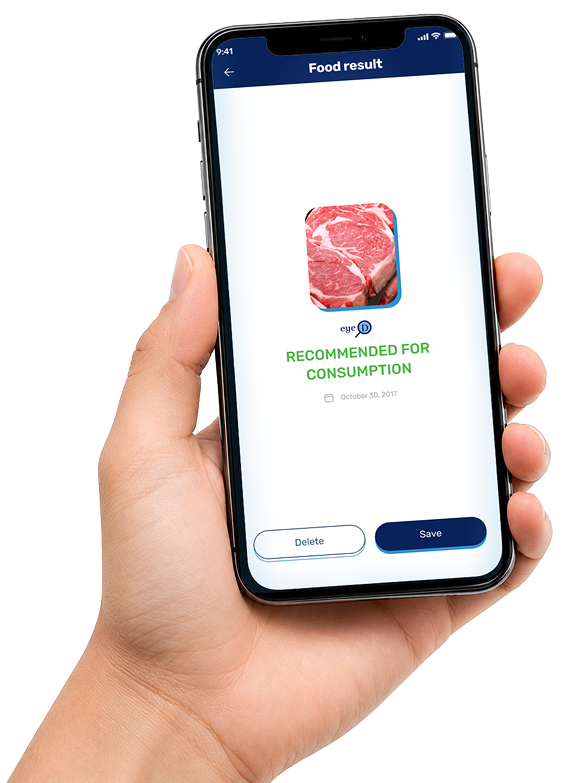
Not sure? Check the eyeD app.

Simply remove the sensor before cooking or eating.

What If I’m Not Sure


 About the Color?

If you’re unsure, use the eyeD app to get a clear answer.

Check it yourself.


Want to Know More?


Email us at

contact@eye-d.food

IMPORTANT: Please read before use.

These sensors are intended solely as an aid in detecting signs of spoilage in meat products and are not a substitute for other food safety measures. A change in the sensor’s color indicates only possible spoilage activity and does not constitute definitive confirmation that the product is unfit for consumption. The absence of a color change does not necessarily indicate that the product is safe to eat. Always assess food using all available methods before consumption, including visual inspection, smell, and checking the applicable “Use By,” “Best Before,” or other expiration dates. Do not rely on this sensor as the sole means of assessing food safety. Sensor performance may be affected by improper application, temperature fluctuations, direct sunlight or UV exposure, moisture, exposure to chemicals, or failure to follow the instructions for use. Sensors must be applied in accordance with the accompanying instructions. Sensors applied to damaged, wet, or uneven packaging may not function properly. This sensor is not a medical device and has not been approved by any regulatory authority as a definitive method for determining food safety. It is intended solely as a visual aid. To the fullest extent permitted by applicable law, Tip LaChaim Ltd. makes no warranties, express or implied, regarding the accuracy, completeness, or reliability of any color change and shall not be liable for any damage, illness, injury, death, loss, or expense of any kind arising from reliance on or failure of this sensor, whether due to product defects, misuse, improper application, environmental interference, or any other cause.

BIOTIP